|
I would not call myself a fan of the short story, although there have been occasions on which I have found myself reading collections of them - Father Brown springs to mind - so when I was asked to review the Nick Hern Shorts, I wasn't really sure what to expect. Little did I know what a treat was in store. This year, in particular, just getting to the theatre seems to be a particular treat - and well done to the Tower for getting back on track in such a spectacularly good way.
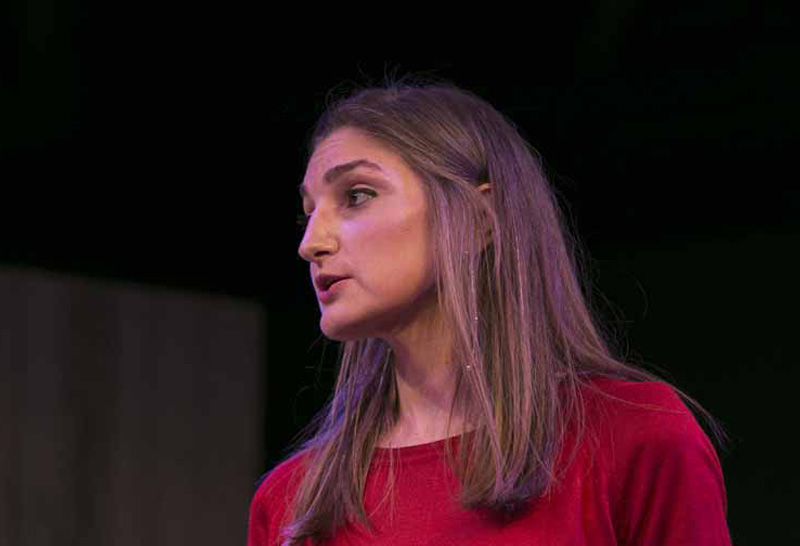
 The first of the plays was Prodigal by Kalungi Ssebandeke, directed by Rosanna Preston. This was a play based in London. Rita is returning to her late mother's flat with her shopping when her brother Kasujja, appears. He has been absent from the family for five years. An argument ensues between the siblings. Rita is angry that Kasujja did not even appear during the final illness of their mother, or at her funeral. Rita feels that there has been a lack of appreciation of her efforts - he, instead, explains that he never felt as though he were really part of the family, since when his mother left Uganda, she had left him with relatives while taking his six month old sibling with her. When he eventually joined the family again - now with three siblings - he did not feel that he fitted in. He had a strange, foreign accent, for instance. The first of the plays was Prodigal by Kalungi Ssebandeke, directed by Rosanna Preston. This was a play based in London. Rita is returning to her late mother's flat with her shopping when her brother Kasujja, appears. He has been absent from the family for five years. An argument ensues between the siblings. Rita is angry that Kasujja did not even appear during the final illness of their mother, or at her funeral. Rita feels that there has been a lack of appreciation of her efforts - he, instead, explains that he never felt as though he were really part of the family, since when his mother left Uganda, she had left him with relatives while taking his six month old sibling with her. When he eventually joined the family again - now with three siblings - he did not feel that he fitted in. He had a strange, foreign accent, for instance.
 Kasujja has come back to make sure that his mother's life insurance policy has been found and claimed. Rita knows nothing about the policy, but when she finds out about it is evidently miffed that she had not been told about it, while he had. He has debt problems, to which he admits, and Rita assumes that he has come back only so he can claim the money. He tells her how much he has missed the family - but, at this point, both Rita and the audience are unsure if this is true or not. He tells Rita where she can find the policy. She will not let him in but collects the bag containing the policy. Along with the policy there are photos of their childhood, many of them of Kasujja, and ones with their Dad. Eventually, Kasujja leaves, leaving the bag and the policy (and the photos) with Rita so that he will feel able to return to see his family. After he leaves, Rita sings. Kasujja has come back to make sure that his mother's life insurance policy has been found and claimed. Rita knows nothing about the policy, but when she finds out about it is evidently miffed that she had not been told about it, while he had. He has debt problems, to which he admits, and Rita assumes that he has come back only so he can claim the money. He tells her how much he has missed the family - but, at this point, both Rita and the audience are unsure if this is true or not. He tells Rita where she can find the policy. She will not let him in but collects the bag containing the policy. Along with the policy there are photos of their childhood, many of them of Kasujja, and ones with their Dad. Eventually, Kasujja leaves, leaving the bag and the policy (and the photos) with Rita so that he will feel able to return to see his family. After he leaves, Rita sings.
 In my experience, children from immigrant families are, or were, often left with relatives in the "home country" until the parent(s) have settled into their new home with jobs, a home and, one suspects, enough money to bring the child or children who remained at "home" to join them. The area in which I live is very multicultural and this is a familiar scenario. The performances seemed very natural, and I can only compliment the actors, Oyinka Yusuff (Rita) and Lare Oyefusi (Kasujja) for their excellent performances. Rosanna Preston's direction is also to be complimented. The lighting was interesting, and the very simple scenery was excellently carried out. The play is a first rate example of what can be done with very little scenery, a short play and a couple of exceptionally good young actors. In my experience, children from immigrant families are, or were, often left with relatives in the "home country" until the parent(s) have settled into their new home with jobs, a home and, one suspects, enough money to bring the child or children who remained at "home" to join them. The area in which I live is very multicultural and this is a familiar scenario. The performances seemed very natural, and I can only compliment the actors, Oyinka Yusuff (Rita) and Lare Oyefusi (Kasujja) for their excellent performances. Rosanna Preston's direction is also to be complimented. The lighting was interesting, and the very simple scenery was excellently carried out. The play is a first rate example of what can be done with very little scenery, a short play and a couple of exceptionally good young actors.
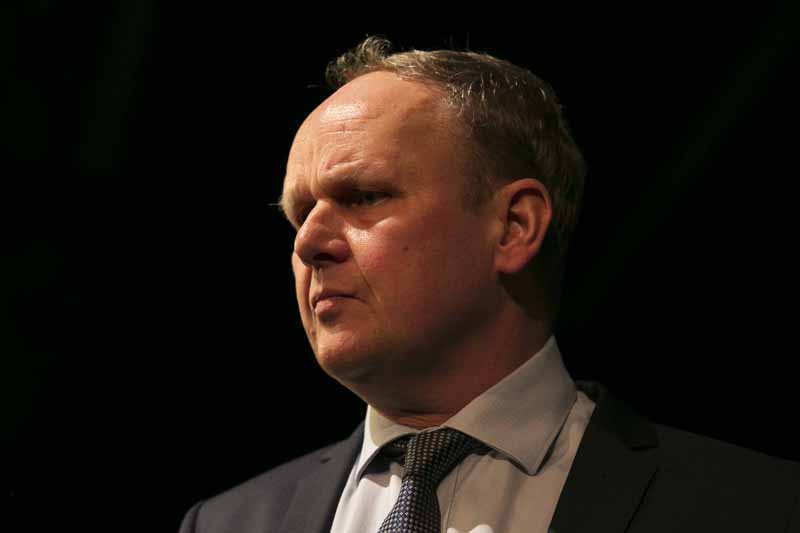 The second play was PMQ by Ella Hickson, another two hander. Dave, played by Matthew Vickers, has just become Prime Minister, and is about to take his first Prime Minister's Questions in the House of Commons. Unsurprisingly, he is contemplating what he might have to answer, or what he can say in response. He is evidently nervous. Again, the scenery and lighting were minimalist. On a platform, sitting on a chair, was the other player, perhaps the voice of his conscience or sub-conscious. On the night I saw the play (which was the first night), this character was played by Bianca 'BeEbop' Curaçao. Dave goes through his possible spiel, while the other player puts in asides and suggestions, while periodically playing a ukulele. Meanwhile, an unseen Aide periodically knocks on the door to tell Dave how long he has before he has to appear. The second play was PMQ by Ella Hickson, another two hander. Dave, played by Matthew Vickers, has just become Prime Minister, and is about to take his first Prime Minister's Questions in the House of Commons. Unsurprisingly, he is contemplating what he might have to answer, or what he can say in response. He is evidently nervous. Again, the scenery and lighting were minimalist. On a platform, sitting on a chair, was the other player, perhaps the voice of his conscience or sub-conscious. On the night I saw the play (which was the first night), this character was played by Bianca 'BeEbop' Curaçao. Dave goes through his possible spiel, while the other player puts in asides and suggestions, while periodically playing a ukulele. Meanwhile, an unseen Aide periodically knocks on the door to tell Dave how long he has before he has to appear.
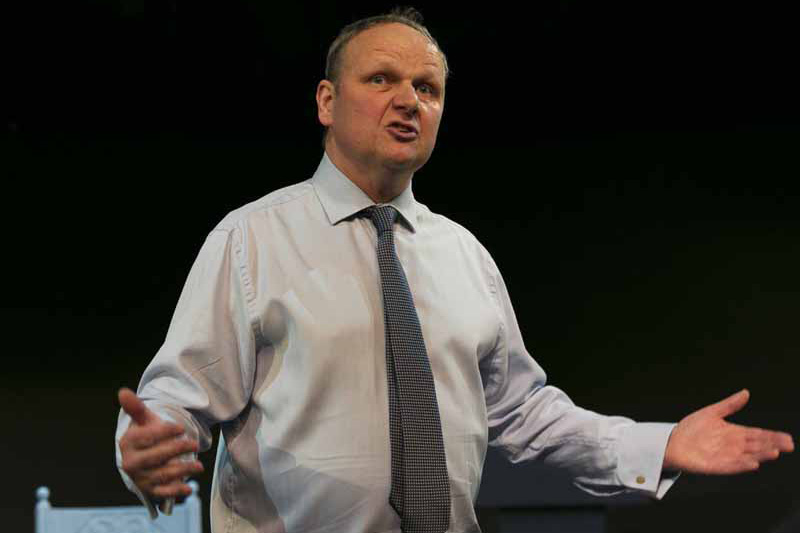 Matthew Vickers was an excellent PM, with the mixture of nerves and confidence that one might expect in such a circumstance. Particularly striking were the sections of the play in which the PM is looking into the - non-existent - mirror, not an easy task, but beautifully done. Bianca 'BeEbop' Curaçao gave a terrific performance, cool (in both senses), funny and measured, with a nice edge of sarcasm, she brought a real boost to the production. My companion for the evening and I both enjoyed the play enormously and would willingly see it again. The two players are to be congratulated for what cannot be an easy piece to perform. It is an interesting concept from Ms. Hickson, one that I hope will get future productions so that it reaches a wider audience. Direction, by George Savona, was very good and the whole production was very professionally done. All of the cast and production team are to be congratulated for their efforts here. Matthew Vickers was an excellent PM, with the mixture of nerves and confidence that one might expect in such a circumstance. Particularly striking were the sections of the play in which the PM is looking into the - non-existent - mirror, not an easy task, but beautifully done. Bianca 'BeEbop' Curaçao gave a terrific performance, cool (in both senses), funny and measured, with a nice edge of sarcasm, she brought a real boost to the production. My companion for the evening and I both enjoyed the play enormously and would willingly see it again. The two players are to be congratulated for what cannot be an easy piece to perform. It is an interesting concept from Ms. Hickson, one that I hope will get future productions so that it reaches a wider audience. Direction, by George Savona, was very good and the whole production was very professionally done. All of the cast and production team are to be congratulated for their efforts here.
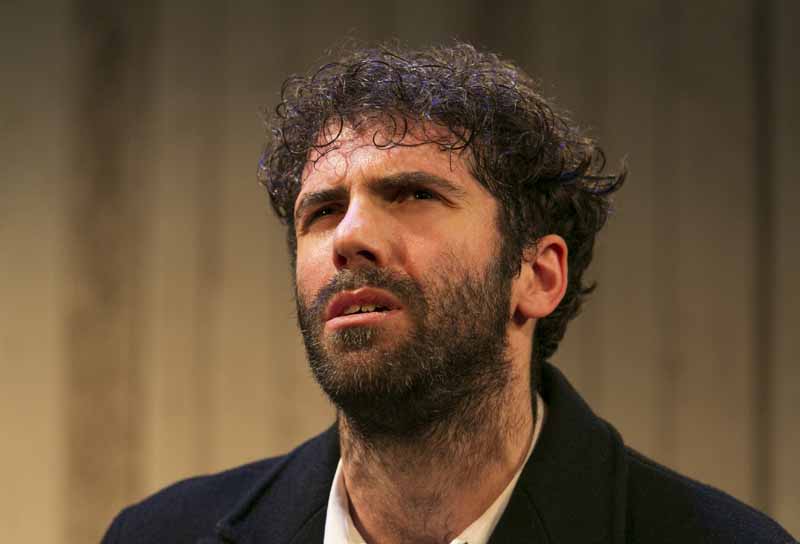 Ursa Major by Joe White is a play that, for me, would be best appreciated by those who live in a trendy part of the inner city. Once again, a two-hander, the play starts with Jay (Carlos Fain-Binda) putting his shopping through an automatic till in a supermarket, while trying to call his wife on his mobile. Unsurprisingly, it all goes a bit wrong, and he is ejected from the supermarket. Outside, he meets Callisto (an unrecognisable Sue Brodie), who lives on the street. She has not had a hot meal for some days. As he needs the food he could not buy, he gives her the money to go into the supermarket, offering to buy her something to eat in return. She buys herself a microwave meal, and he eventually invites her into his flat. Jay is a PhD. student and his wife has just left him. He evidently suffers from some sort of OCD condition, as Callisto points out to him. Ursa Major by Joe White is a play that, for me, would be best appreciated by those who live in a trendy part of the inner city. Once again, a two-hander, the play starts with Jay (Carlos Fain-Binda) putting his shopping through an automatic till in a supermarket, while trying to call his wife on his mobile. Unsurprisingly, it all goes a bit wrong, and he is ejected from the supermarket. Outside, he meets Callisto (an unrecognisable Sue Brodie), who lives on the street. She has not had a hot meal for some days. As he needs the food he could not buy, he gives her the money to go into the supermarket, offering to buy her something to eat in return. She buys herself a microwave meal, and he eventually invites her into his flat. Jay is a PhD. student and his wife has just left him. He evidently suffers from some sort of OCD condition, as Callisto points out to him.
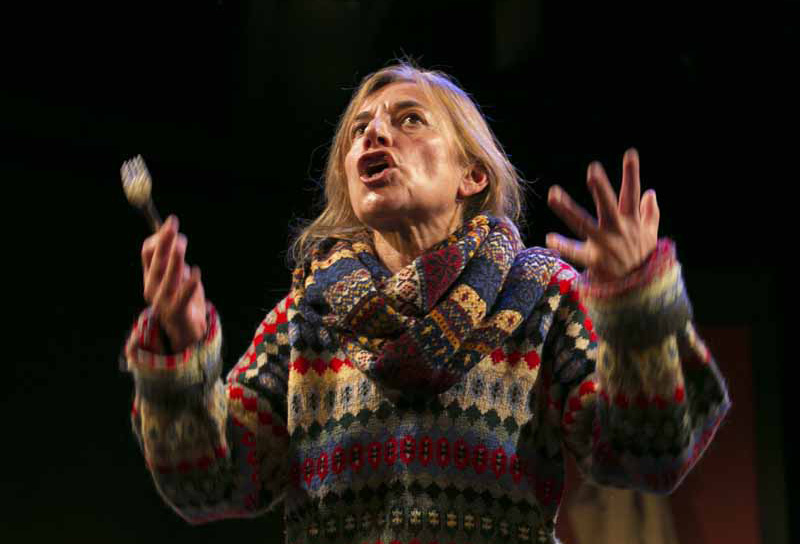
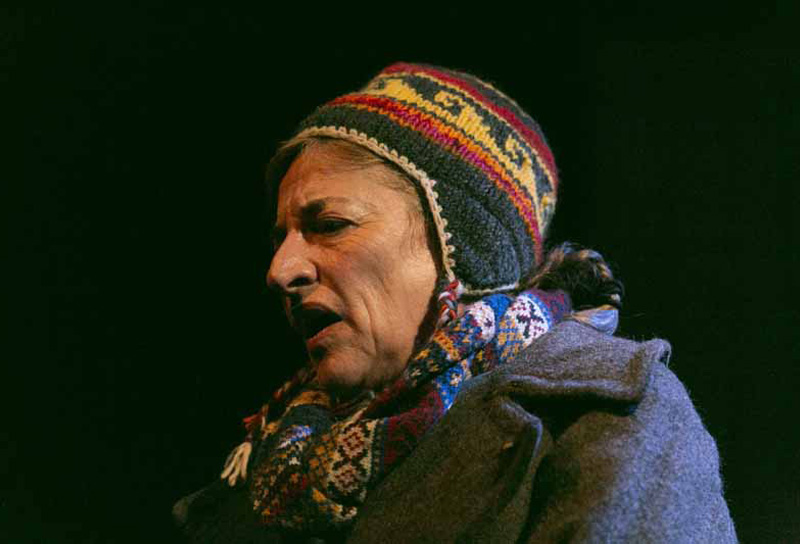 Jay tells her his woes, and she tells him that she was not always someone who lived on the street and had had an interesting life with a lot of travel. At some point, she had an abortion. She had married and been beaten by her husband and had run away. Divorced and with no job, she gave up her child for adoption - which she evidently regrets. She points out that life is not all bad. They are, she says, lucky to be white, and quite philosophically adds that life is very much about being in the right place at the right time and having good luck. Eventually, they part, but both have learnt something - Jay perhaps more than Callisto. Jay's obsessional behaviour is annoying - probably why his wife left - and Callisto, who should be the one for whom we have the most compassion, tries to help him with this. Their final parting, in which Jay is finally able to give Callisto a hug, is very moving. Jay tells her his woes, and she tells him that she was not always someone who lived on the street and had had an interesting life with a lot of travel. At some point, she had an abortion. She had married and been beaten by her husband and had run away. Divorced and with no job, she gave up her child for adoption - which she evidently regrets. She points out that life is not all bad. They are, she says, lucky to be white, and quite philosophically adds that life is very much about being in the right place at the right time and having good luck. Eventually, they part, but both have learnt something - Jay perhaps more than Callisto. Jay's obsessional behaviour is annoying - probably why his wife left - and Callisto, who should be the one for whom we have the most compassion, tries to help him with this. Their final parting, in which Jay is finally able to give Callisto a hug, is very moving.
The performance of both was superb. Jay plays his part to perfection - I could name several people who would fit into this mould, and Sue Brodie's Callisto a real work of art. Once again, the scenery, lighting and costumes were exactly right and Anna Jones' direction admirable. I look forward to seeing more work from this author and compliment the entire group on this play.
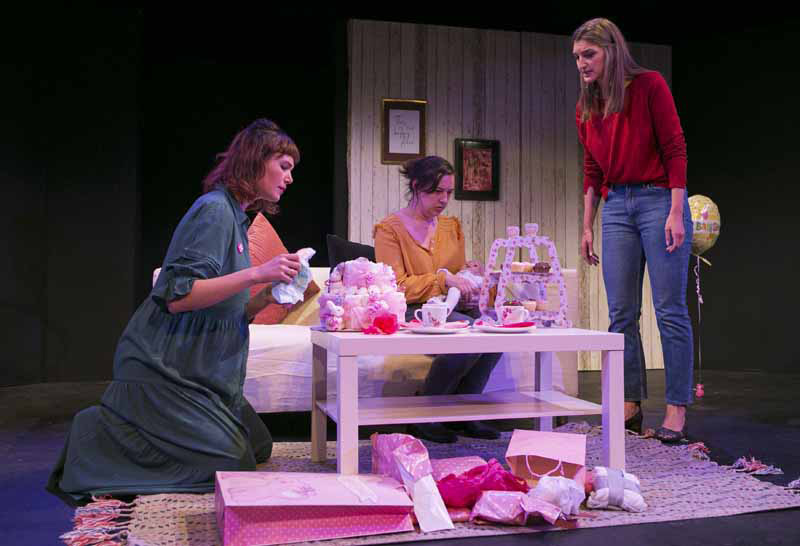
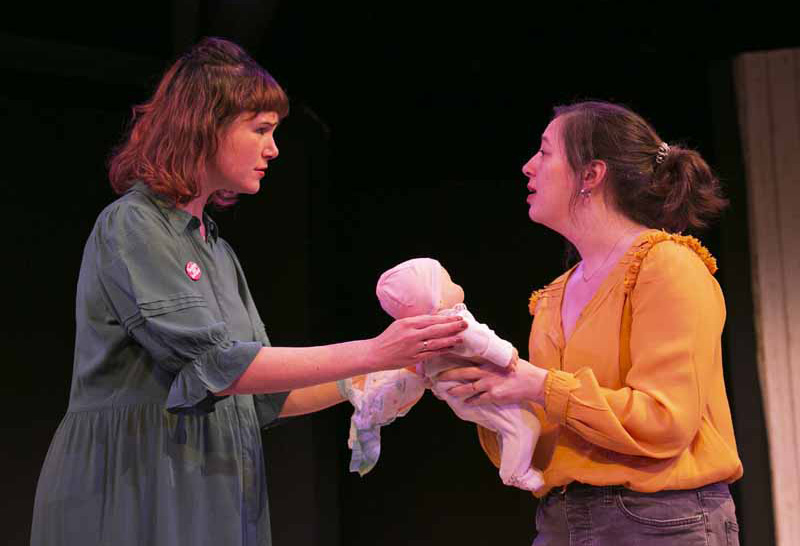 The fourth play was Baby Dolls by Tamara von Werthen, directed by Lucy Moss. This time the play is a three-hander. Three young women, one pregnant and one with a pram - which we assume has a baby in it - are at what we suppose is some sort of baby shower. However, we soon discover that the play is set in some sort of dystopian society where, if a woman wants to have a baby, she must go through a process in which she has to look after a doll, which is programmed to respond to the care that is taken of it, and also to cry, etc. The young woman with the pram is having doubts that she is suitable to be a mother, since she finds the demands put upon her wearing (anyone who has ever had a child, or children, will understand this totally). The pregnant woman tries to calm her down, but the surprise is the third woman - who admits that she has been trying to get pregnant, but with no luck so far. The others are a little shocked, but the third woman and the pregnant woman think that "they" (presumably the government) are putting something in the water to stop pregnancies unless the requisite training programme is carried out. Despite the dystopian setting and the perhaps less than happy story line, this is both a thought provoking and amusing play. Once again, the sound, costumes, lighting and sets are very well done, and the direction was excellent. It would be difficult to choose an outstanding performance from among the three young women, since all were very good. There was a naturalism to their performance which transcended the slightly "doomy" story and brought it to life. An altogether excellent ensemble. The fourth play was Baby Dolls by Tamara von Werthen, directed by Lucy Moss. This time the play is a three-hander. Three young women, one pregnant and one with a pram - which we assume has a baby in it - are at what we suppose is some sort of baby shower. However, we soon discover that the play is set in some sort of dystopian society where, if a woman wants to have a baby, she must go through a process in which she has to look after a doll, which is programmed to respond to the care that is taken of it, and also to cry, etc. The young woman with the pram is having doubts that she is suitable to be a mother, since she finds the demands put upon her wearing (anyone who has ever had a child, or children, will understand this totally). The pregnant woman tries to calm her down, but the surprise is the third woman - who admits that she has been trying to get pregnant, but with no luck so far. The others are a little shocked, but the third woman and the pregnant woman think that "they" (presumably the government) are putting something in the water to stop pregnancies unless the requisite training programme is carried out. Despite the dystopian setting and the perhaps less than happy story line, this is both a thought provoking and amusing play. Once again, the sound, costumes, lighting and sets are very well done, and the direction was excellent. It would be difficult to choose an outstanding performance from among the three young women, since all were very good. There was a naturalism to their performance which transcended the slightly "doomy" story and brought it to life. An altogether excellent ensemble.
Despite my initial misgivings about the four shorts, the Tower in collaboration with Nick Hern are to be congratulated on this venture, and I would certainly be happy to go to see future "shorts" of this nature.
Photography by Pete O'Shea
|